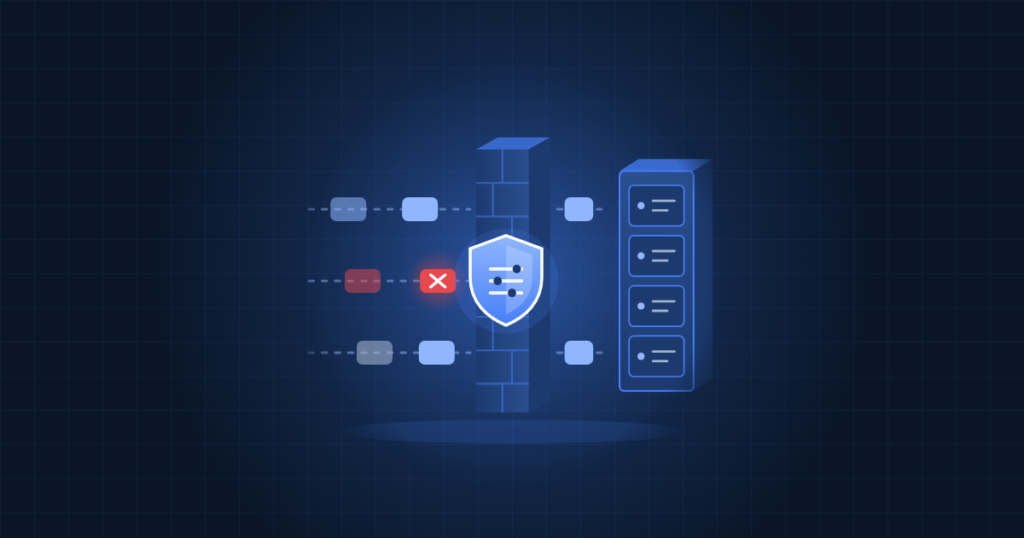
AWS WAF is one of the most effective security controls you can put in front of a website or API on AWS, and one of the easiest to get wrong. Too few rules and it does nothing; too many, switched straight to block, and it stops real customers at checkout. This checklist is the order we follow when we set up AWS WAF for clients, from choosing where it goes to tuning it safely.
1. Decide where the web ACL attaches
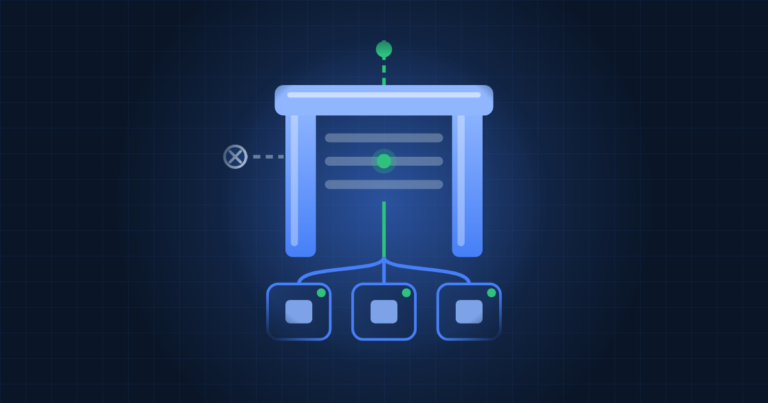
A web ACL (the container for your WAF rules) is attached to a resource. The common choices are:
- Amazon CloudFront: filters traffic at the edge, before it reaches your origin. Web ACLs for CloudFront are global and are created in the US East (N. Virginia) Region.
- Application Load Balancer: filters traffic in the Region where your application runs.
- Amazon API Gateway: protects REST APIs directly.
If your site already sits behind CloudFront, attach WAF there: bad traffic is dropped closer to its source and never costs you origin capacity.
2. Start with AWS managed rule groups
AWS maintains rule groups for common threats, and they are the right foundation before any custom rules. A sensible starting set for a typical website or API:
- Core rule set (
AWSManagedRulesCommonRuleSet): broad protection against common web exploits - Known bad inputs (
AWSManagedRulesKnownBadInputsRuleSet): request patterns linked to known vulnerabilities - Amazon IP reputation list (
AWSManagedRulesAmazonIpReputationList): sources AWS has seen behaving maliciously - Application-specific groups that match your stack, such as the SQL database, Linux, PHP or WordPress rule groups
Only add groups that match what you run. Each rule group uses web ACL capacity units (WCUs), and unnecessary groups add cost and false positives without adding protection.
3. Add rate-based rules for the paths attackers hammer
Login pages, password resets, search and API endpoints attract brute-force and scraping traffic. A rate-based rule counts requests per client IP over a time window and acts when a client exceeds your limit. Scope it to the sensitive paths with a scope-down statement rather than applying one limit to the whole site, and base the limit on your real traffic: look at your logs to see what a busy legitimate user does, then set the limit comfortably above that.
4. Consider Bot Control and DDoS protection
- Bot Control is a paid managed rule group that identifies and manages bot traffic, including scrapers and automated clients. It is worth it for sites where bots cost you money or skew analytics.
- AWS Shield Standard protects every AWS customer against common network-layer DDoS attacks at no extra cost. For application-layer floods, AWS WAF offers an Anti-DDoS managed rule group, and Shield Advanced adds a response team and cost protection for business-critical workloads.
5. Run everything in count mode first
This is the step that separates a smooth rollout from an outage. Set new rules and rule groups to Count instead of Block. Count mode records which requests would have been blocked, without blocking them. Leave it running across normal traffic, including a busy day, then review what matched before switching anything to Block.
6. Turn on logging
Without logs you cannot tune a WAF. AWS WAF can send full request logs to Amazon CloudWatch Logs, Amazon S3 or Amazon Data Firehose. For CloudWatch Logs, the log group name must start with aws-waf-logs-. Use the sampled requests view in the console for a quick look, and the full logs for proper analysis.
7. Tune false positives, then block
When a managed rule matches legitimate traffic, for example a content editor saving HTML or an API sending large JSON bodies, do not disable the whole rule group. Instead:
- Override the single rule that misfires to Count
- Or add a scope-down statement so the rule skips a specific path, such as your admin area, that is protected another way
Switch rules to Block one group at a time, and watch your logs and error rates after each change.
8. Keep it maintained
- Review blocked and counted requests regularly, especially after application releases
- Watch the web ACL capacity as you add rules
- Keep the configuration in infrastructure as code (Terraform, AWS CDK or CloudFormation) so changes are reviewed and reversible
- Alert on sudden spikes in blocked requests; they are often the first sign of an attack
Quick checklist
- Web ACL on CloudFront, ALB or API Gateway
- Core rule set, known bad inputs and IP reputation list
- Application-specific managed groups only where they match your stack
- Rate-based rules on login, search and API paths
- Bot Control and Shield Advanced where the risk justifies them
- Everything in Count mode first
- Logging enabled
- False positives tuned rule by rule, then Block
- Ongoing review and infrastructure as code
Need it done for you?
TechProvidence sets up, tunes and monitors AWS WAF as part of our managed AWS services, run by AWS-certified engineers with 24/7 cover. If you want a second pair of eyes on your current setup, contact us for a complimentary AWS review.